
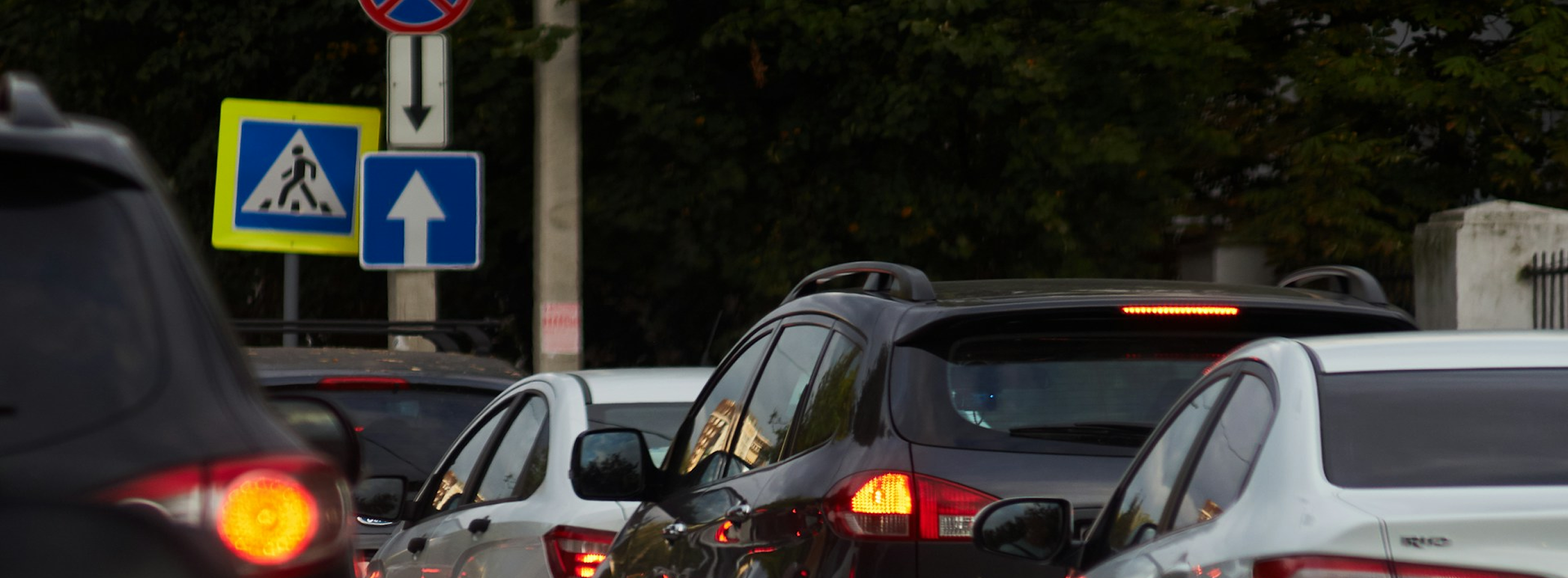
According to INRIX , German drivers spend an average of 41 hours a year searching for parking. This wastes time, nerves, and money, resulting in over 40 billion euros in annual losses across Germany. Yet, thousands of parking spaces on company premises remain virtually empty at night and on weekends. Shared Parking closes this exact gap by allowing companies to open their parking areas to external users outside of core business hours.
Key facts at a glance
- Shared Parking refers to the time-controlled opening of corporate parking lots to external user groups
- Up to 95% of corporate parking spaces are empty at night and on weekends
- Shared parking areas can reduce the total demand for parking space by up to 25%
- Companies, residents, and cities all benefit simultaneously
- Digital solutions make implementation controlled, secure, and effortless
What is Shared Parking?
Shared Parking refers to the targeted release of parking spaces to external user groups during times when these areas are not needed internally. A corporate building with 80 spaces might use them fully for employees during the day. In the evenings, at night, and on weekends, those same spaces sit empty. Through a digital platform, local residents, hotel guests, or commuters can book these times and use the parking spaces in a controlled manner.
The concept does not rely on creating new space, but on making better use of existing infrastructure. Anyone who manages employee parking digitallycan use the same platform to define external quotas and cleanly separate access.
How much untapped potential is there in corporate parking lots?
Company-owned parking areas are among the most underestimated resources in German city centers. Even during peak times, up to 30% of employee parking spaces remain empty. Outside of core working hours, vacancy rates reach up to 95%.
This is due to structural reasons: rigid long-term parking regulations and fixed space assignments do not reflect actual demand. Remote work days, vacations, business trips, and part-time models mean that a significant portion of these areas remains unused every day.
For residents on the other side, this specific time—the evening and night—is exactly when they need a parking space. Shared parking bridges this temporal gap without the two parties getting in each other's way.
Who benefits from shared parking?
Shared parking is not a one-sided concept. It creates added value for three groups simultaneously.
Companies increase the utilization of their spaces and generate additional revenue without any investment costs. At the same time, they improve their sustainability record—a factor that is becoming increasingly important for ESG reports and site development. Our article on the ROI of parking space managementshows how this impacts the overall economic benefit of a parking strategy.
Residents and external users find reliable parking spaces nearby without long periods of searching. According to Sonah , the average search for parking accounts for 30 to 40% of all inner-city traffic. Shorter search times mean less CO₂, lower fuel consumption, and less stress.
Cities and municipalities relieve the pressure on public parking spaces without having to seal new land. Studies show that shared parking can reduce the total demand for parking space by up to 25%. In Innsbruck, residents used 30% of the available supermarket parking spaces outside of business hours within just a few months, with no conflicts arising with daily operations.
What do companies need to implement shared parking?
Shared parking only works with clear digital management. Without it, conflicts arise between internal and external users, leading to uncontrolled access and a lack of transparency regarding occupancy.
A suitable platform enables three things: first, the temporal separation of internal and external use; second, access control via app, QR code, or license plate recognition; and third, complete reporting on who used which space and when.
ParkEfficient covers all three requirements in one solution. Parking areas can be divided into time slots, external quotas can be released separately, and bookings can be fully documented. Our overview of features shows which settings are relevant for this. Anyone who also wants to integrate charging infrastructure can incorporate EV charging points directly into the shared parking model.
For commercial operators managing multiple locations or tenant groups, AssetOS a platform specialized in this.
Conclusion
Shared parking solves a concrete problem: the shortage of parking spaces in city centers despite the availability of existing areas. By strategically opening company parking lots outside of core hours, you create added value for residents, relieve pressure on the city, and simultaneously increase the profitability of your own space.
The effort involved is manageable. The prerequisite is a digital platform that clearly separates and fully documents internal and external usage. ParkEfficient handles exactly that. Find out in a free initial consultation what shared parking could look like for your location.
Frequently Asked Questions
What is shared parking?
Shared parking refers to the time-controlled release of parking spaces to external user groups. Company-owned parking spots used by employees during the day are made available to residents, hotel guests, or other external users in the evenings, at night, or on weekends. Management is handled digitally via a platform.
Is shared parking worth it for companies?
Yes. Companies can generate between 50 and 80 euros in additional revenue per parking space per month without having to invest in new infrastructure. At the same time, the utilization of existing space improves, and the company makes a measurable contribution to reducing traffic caused by drivers searching for parking.
Are there conflicts between internal and external users?
Not with the right digital management. A suitable platform clearly separates time slots for internal and external use, automatically controls access, and documents all bookings. This technically prevents any overlaps.
When does shared parking make sense?
Shared parking is worthwhile as soon as parking spaces are regularly empty outside of core hours and there is simultaneous external demand in the immediate vicinity, for example from residents without their own parking. This is almost always the case in urban areas with mixed-use properties.
How is access managed with shared parking?
Access is digital: via app, QR code, or license plate recognition. External users only have access during their booked times. Outside of these windows, the space remains reserved exclusively for internal users.


